Barred Owls, Porcupines, & Mosquitos
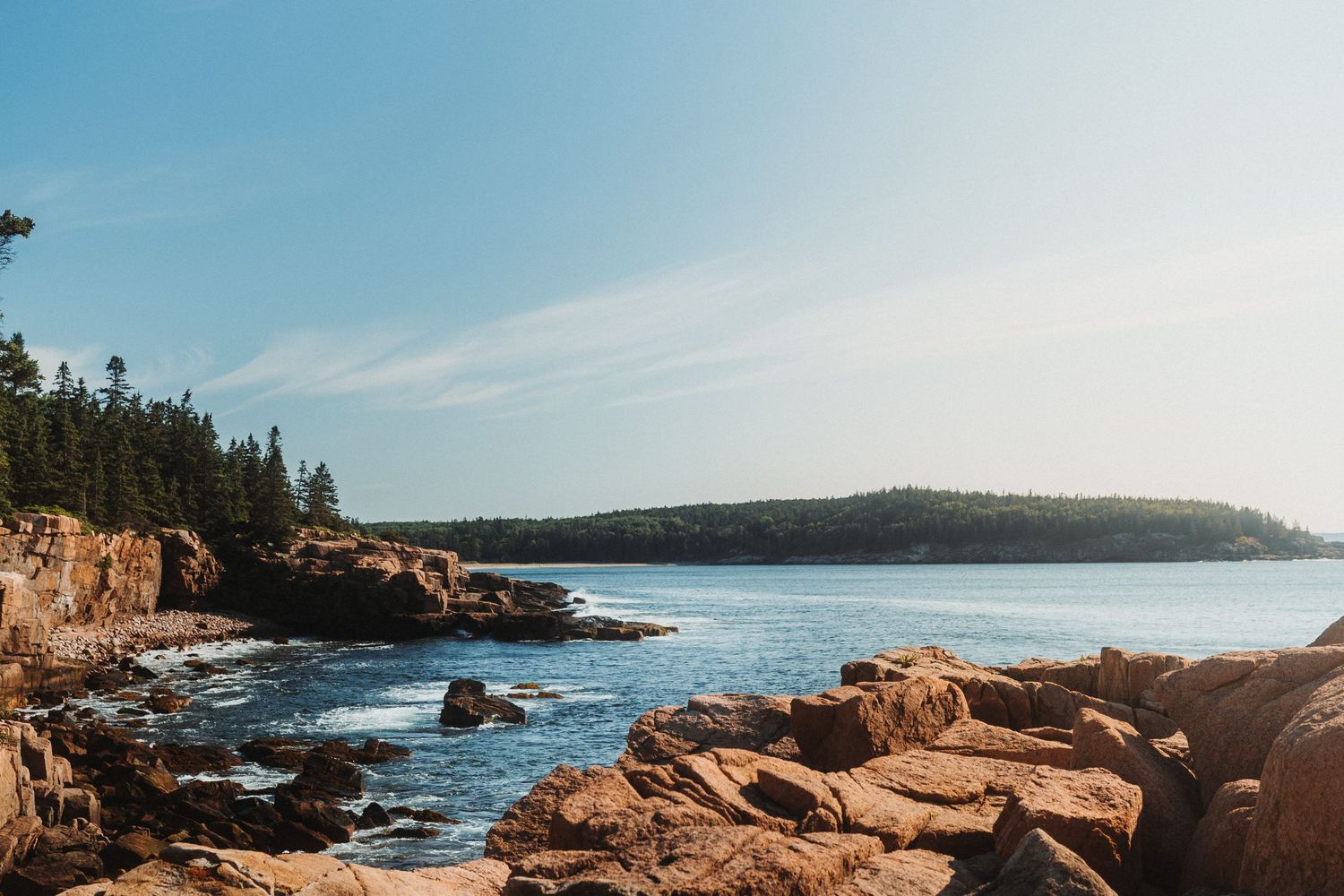
Acadia has always been on my list. Not for the lighthouses or coastal hikes (though those are beautiful too), but for something a little harder to find; wildlife.
I packed up my gear into my ThinkTankPhoto bags, loaded up the truck, and headed north. Acadia might not be the first place people think of for wildlife photography, but I had a hunch.
The Sound That Gave Them Away
The trip was quiet at first, the kind of quiet that makes you slow down and listen. That’s when I heard it.
A distant “who-cooks-for-you?” call from deep inside the trees.
Barred owls.
Tracking them wasn’t easy. It took a lot of slow walking, lots of backtracking, and most importantly, lots of listening. Eventually, I pinpointed an adult and a juvenile calling to each other across a dense section of forest. I moved in carefully, watching the branches.
Then I saw them. That alone made the trip worth it. But what happened next? I still can’t believe I caught it on camera.
A Barred Owl Food Exchange
I watched as the adult (I assume the male) flew in silently and passed food to the juvenile, mid-branch. It was quick, subtle, and completely quiet, no fanfare, just instinct.
Moments like that are why I do this.
Baby Porcupine Grunts? Yeah, I Heard That Too.
One morning, while out for owls again, I received a local tip. Not too far from where I was, there was a sighting. I was crouched near the base of a spruce tree when I spotted a mother porcupine and her young kit. I held still, watched, and listened.
The little one was making these faint little grunts, soft and high-pitched, like it was talking to mom. I’ll never forget that sound.
They played, climbed, and even cuddled up. It wasn’t just cute, it felt rare. Not many people get to witness that, let alone photograph it.
Gear That Made a Difference
My typical set up:
- Canon R3/R8 + 500mm F4
- ThinkTankPhoto bags for ease, comfort, and durability
- Bug spray (don’t forget this in July — the mosquitoes are brutal)
What I Learned
- Sound will lead you to wildlife more than movement or sight.
- Patience matters – the best shots don’t come fast.
- Be ready – some moments last two seconds. You either catch them or you don’t.
- Travel light and move slow. Every step in those woods needed to be quiet and intentional.
Planning Your Trip to Acadia?
If you’re heading to Acadia and want to do some wildlife photography, here’s what I’d recommend:
- March to August: Breeding season for barred owls
- Stick to quieter parts of the park: off-trail areas and the deeper woods.
- Early mornings and dusk: best times for activity.
- Listen more than you look: nature always gives clues.
Thanks for reading, and if you want to see some of the images from this trip, you can check them out on my Instagram.
Until next time,
– Ryan
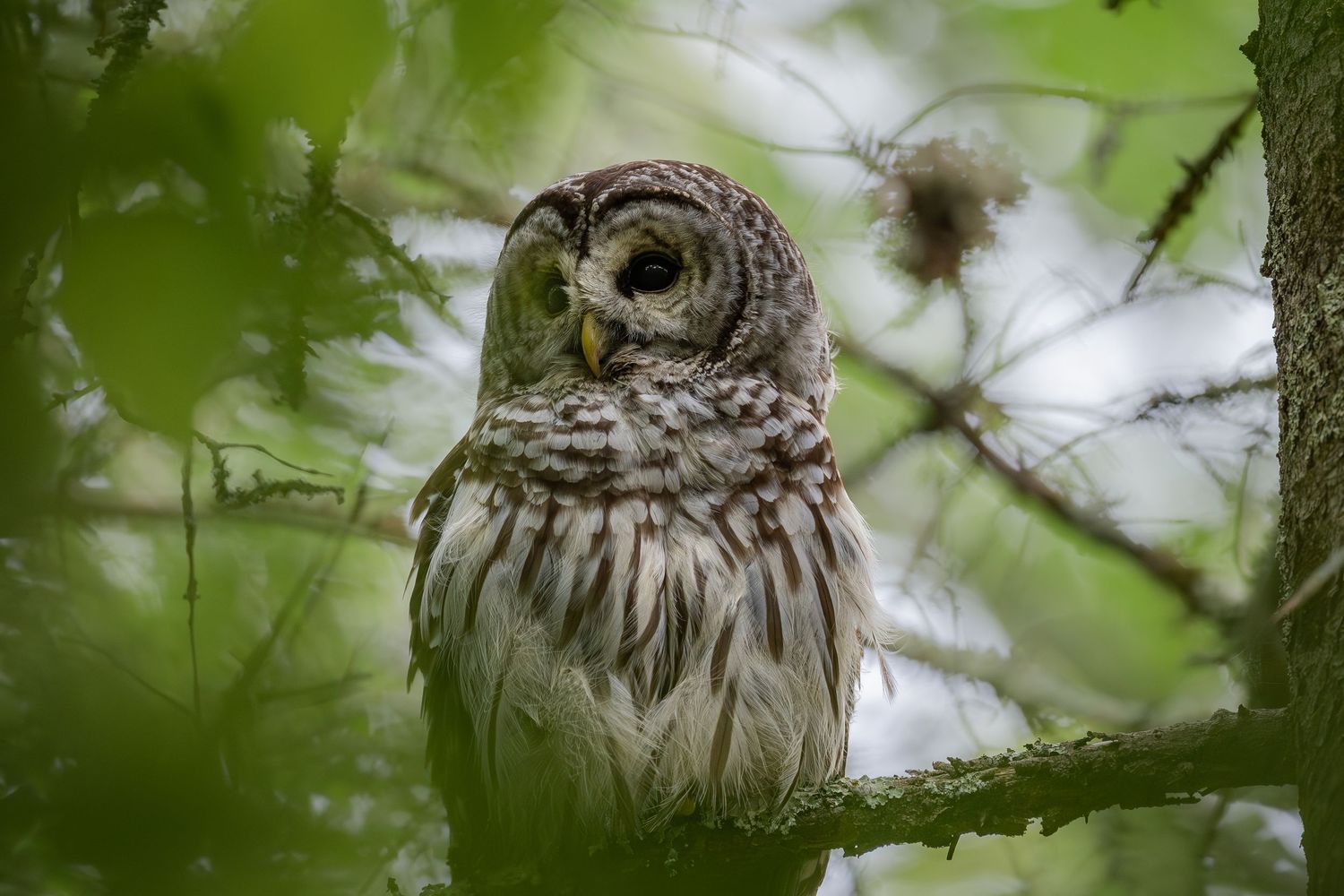
Acadia National Park: Adult Barred Owl over watches juvenile barred owl from a distance.
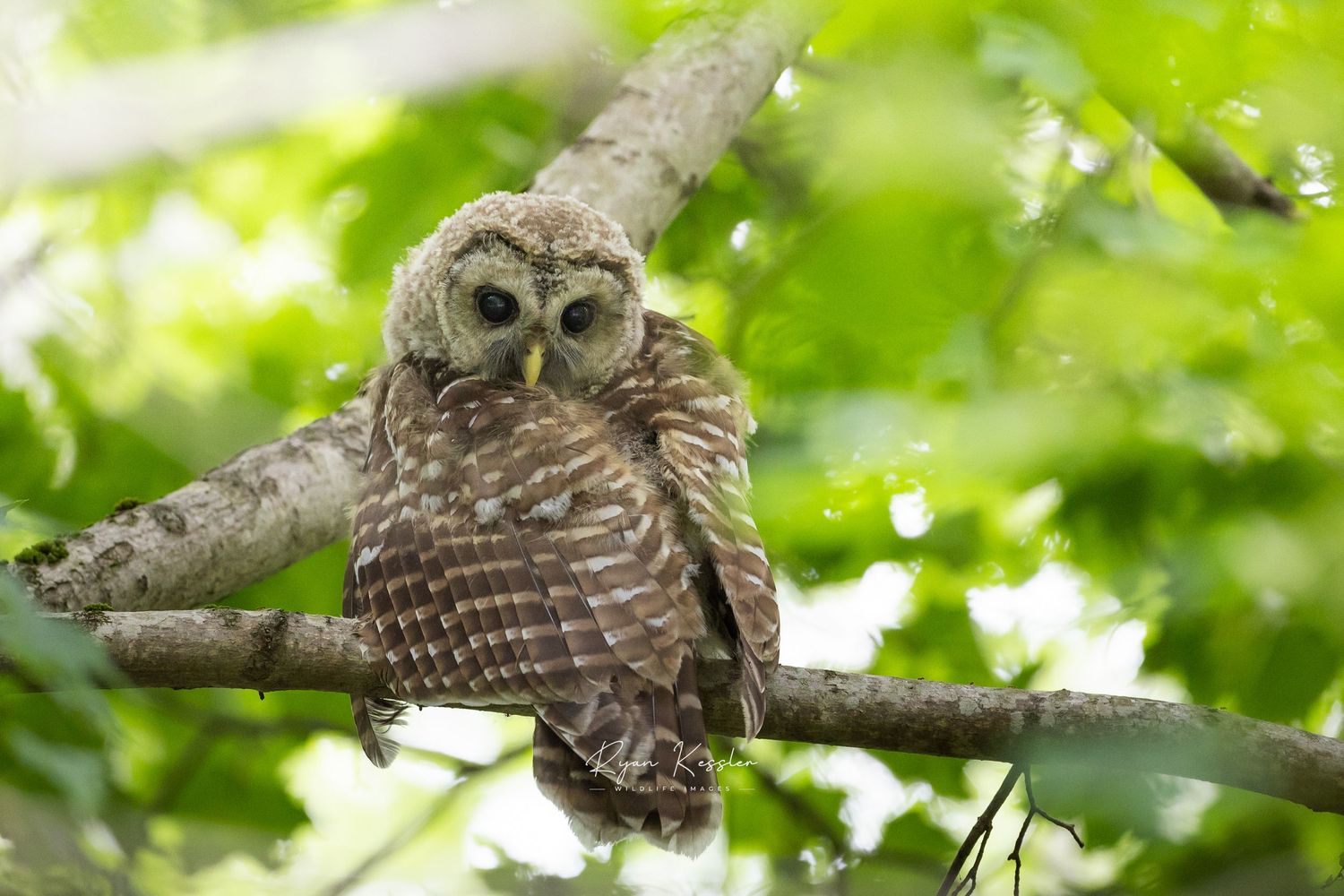
Acadia National Park: Barred owl preening.
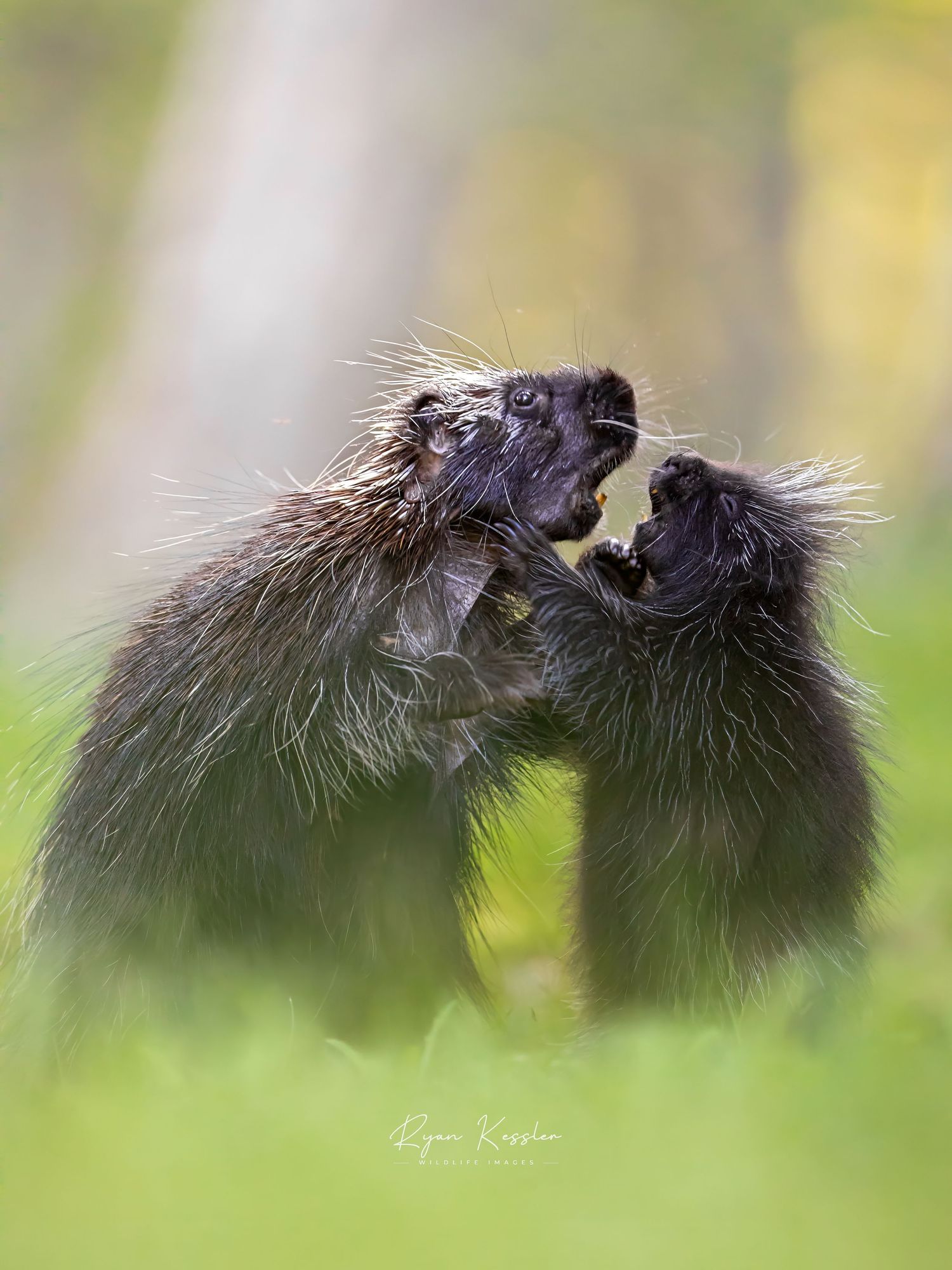
Acadia National Park: Porcupine family grunts, play fights, and runs off into the woods.