Eagles On The East Coast
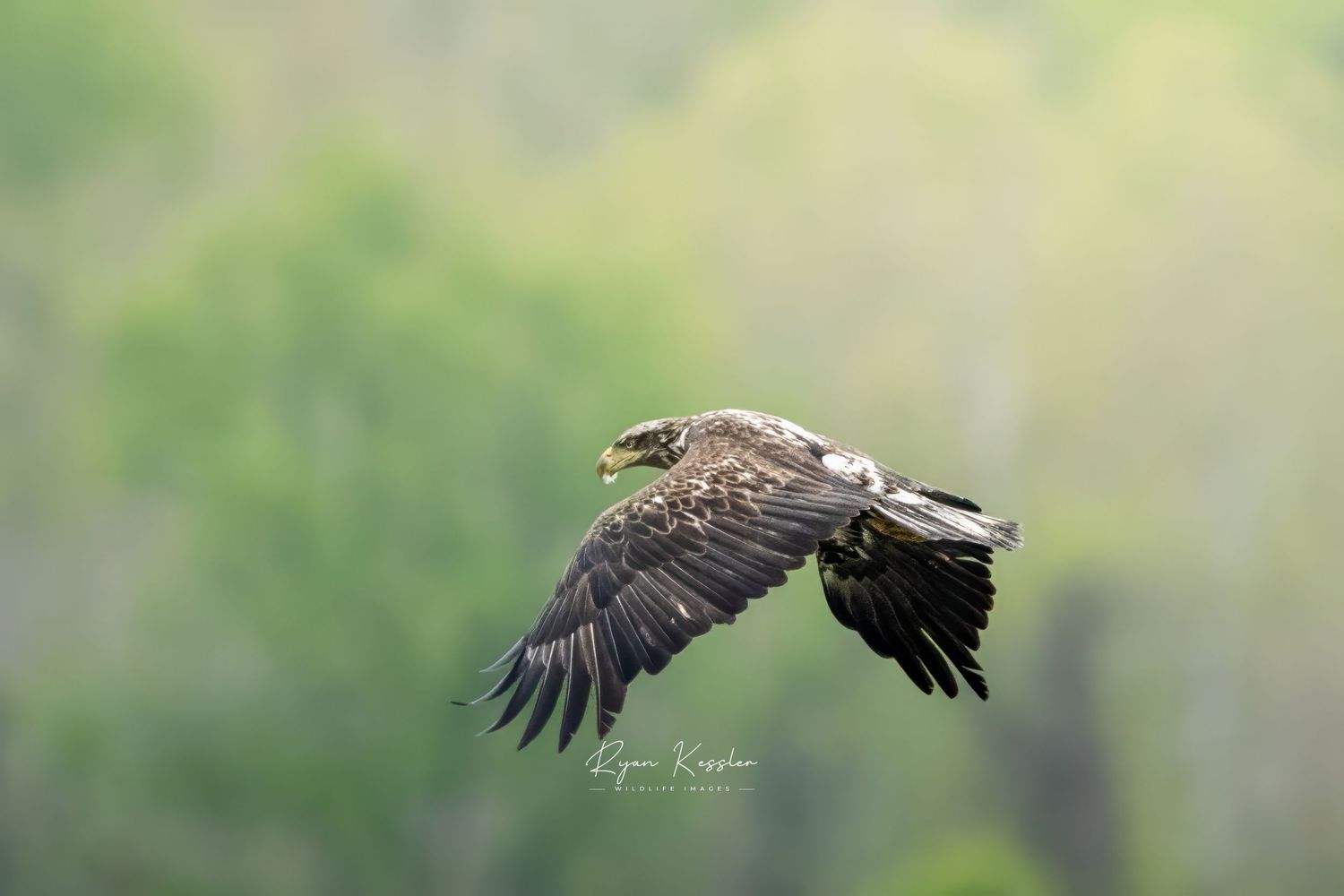
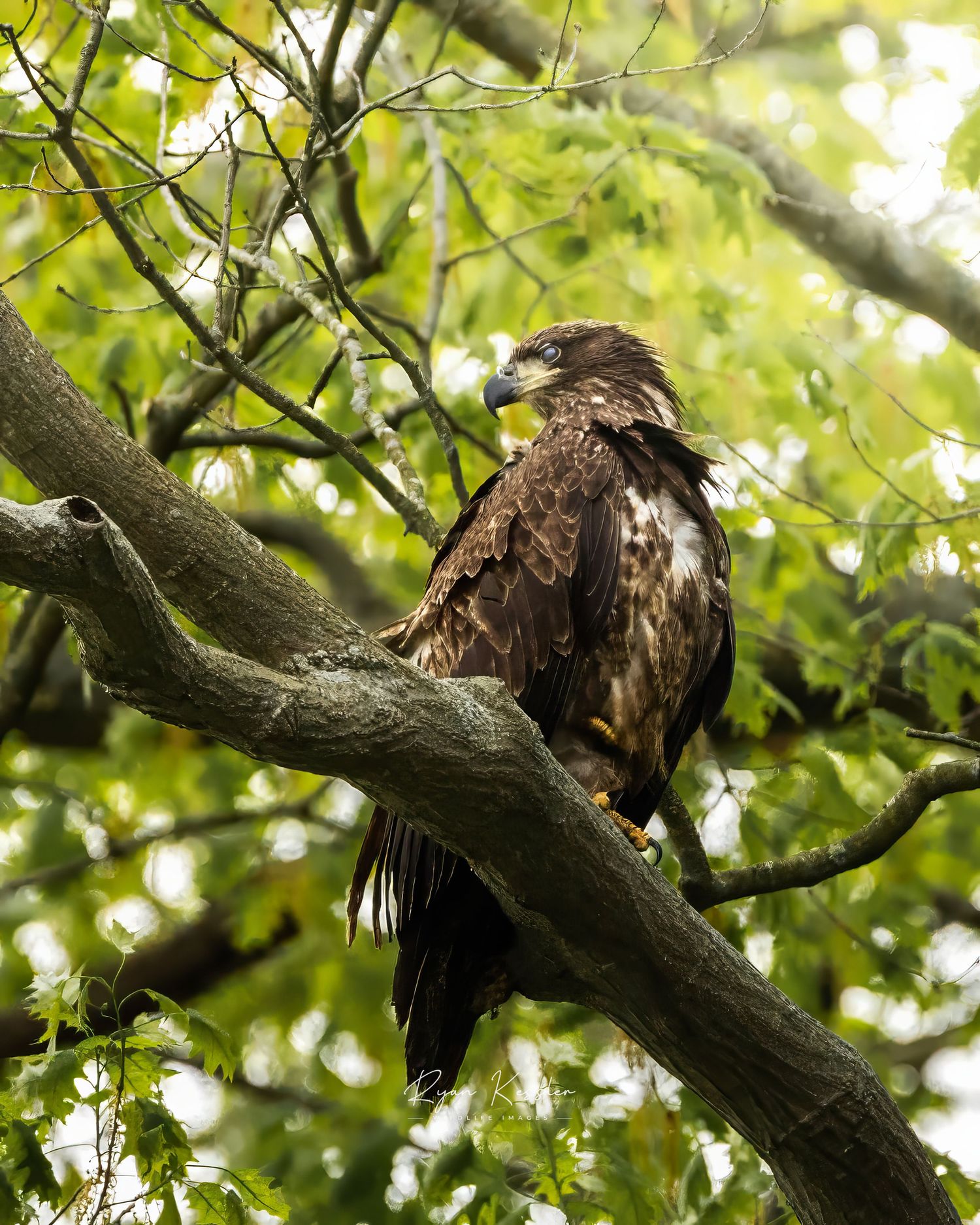
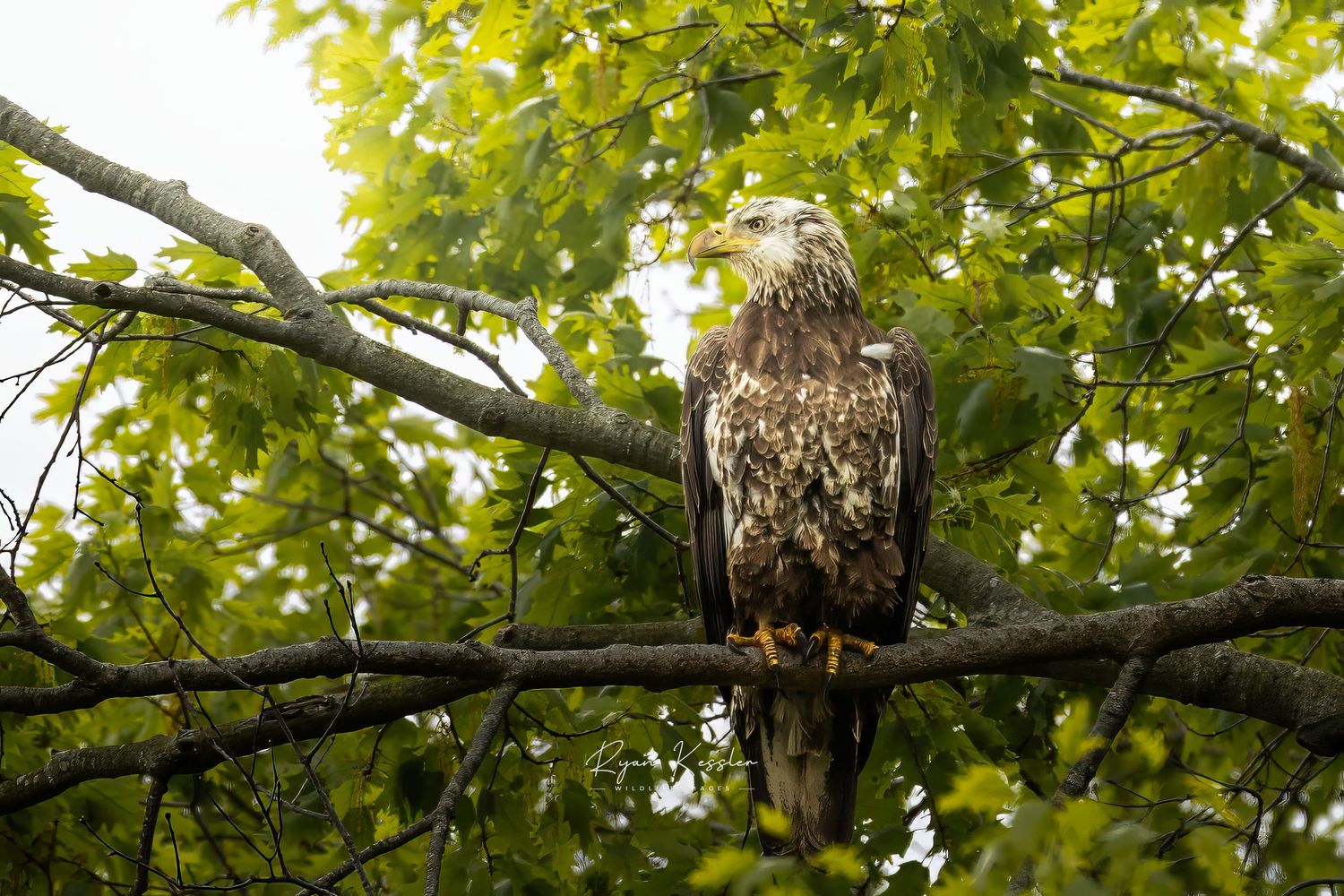
If you’ve never been to Conowingo Dam in Maryland, it’s hard to describe the atmosphere until you’ve stood along that fence yourself. Dozens, sometimes hundreds of photographers line up shoulder to shoulder, tripods locked in place, scanning the skies. Thousands of dollars’ worth of gear glints in the morning sun. And yet, no matter how big the lens or how many years behind the camera, everyone here shares the same goal: to capture the majesty of the bald eagle.
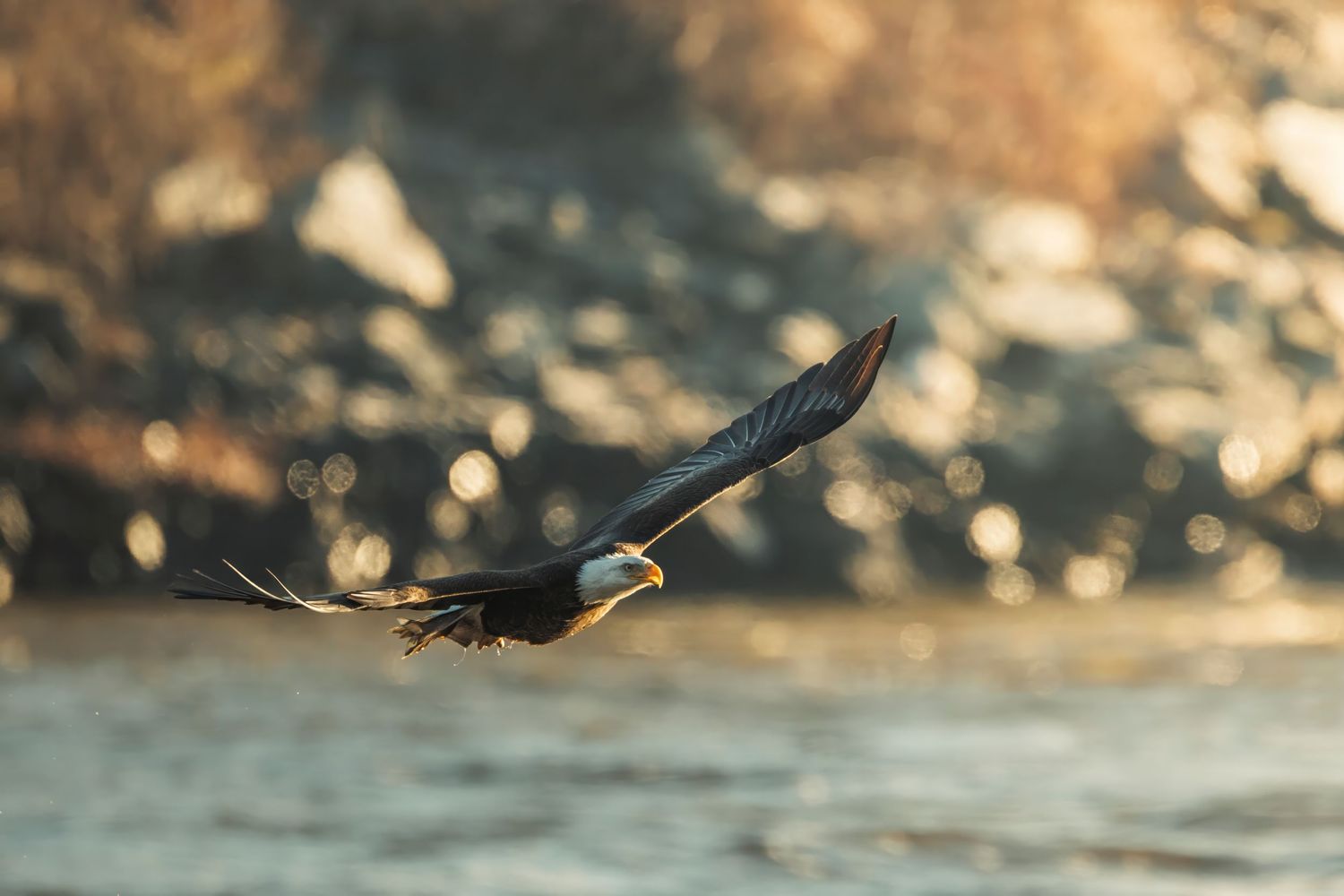
It’s a game of patience. Hours can pass with nothing but the sound of the river and the distant calls of gulls. Then, without warning, it happens. An eagle locks onto a fish, folds its wings, and dives. In seconds, chaos erupts. Cameras fire in rapid bursts. People gasp, shout, and call out positions. Your heart races as you track the bird, wings slicing through the sunrise glow, talons gripping a wriggling fish.
For moments like this, I rely on my Canon R8 paired with the EF 500mm f/4 and a 1.4x teleconverter. It gives me the reach I need to isolate an eagle even when it’s halfway across the river. The autofocus snaps onto the target instantly, and the images… well, they speak for themselves.
Conowingo Dam isn’t just one of the best places on the East Coast to photograph eagles, it’s a community. Whether you walk away with a memory card full of keepers or just a handful of shots, you leave with new stories, new friends, and a deeper appreciation for these incredible birds.
Gear That Made a Difference
- Canon R8 + EF 500mm f/4 + 1.4× TC
- Lightweight body with fast AF: The 700mm effective focal length is perfect for mid-river strikes
- Sturdy tripod/monopod (I use a Benro Mammoth with an S8 Pro fluid head)
- Smooth pans for birds-in-flight saves your shoulders during long lulls
- High-speed cards & extra batteries
- Circular polarizer (optional) Cuts glare on water during bright sun
- Layered clothing + hand warmers. Conowingo can be windy and cold along the fence, even when the forecast looks mild
What I Learned (This Trip)
- Read the river: Action often spikes when turbines/spill gates move water, baitfish get churned, eagles key in
- Watch the gulls & herons: Their sudden lifts and direction changes often telegraph where an eagle is about to dive
- Pick your light: Backlight can be magic for silhouettes + spray
- Pre-focus zones: Aim at likely strike lanes so the AF grabs instantly when an eagle commits
- Burst with purpose: Short, controlled bursts beat one long spray. Buffer clears faster and you time wing positions better
Quick Settings I Used
- Shutter: 1/2500–1/4000 in flight and diving
- Aperture: f/4–f/5.6 (wide open when light is low)
- ISO: Auto with a ceiling you’re comfortable cleaning in post
- AF: Continuous / eye-detect or subject-tracking; back-button focus
Planning Your Next Conowingo Trip
- When to go: Peak action is often late fall through winter: cold snaps can concentrate birds
- Time of day: Sunrise for golden light and calmer crowds: weekdays are friendlier than weekends
- Positioning: The main fence at Fisherman’s Park gives a strong angle on mid-river strikes: adjust with wind/sun
- Etiquette: Tripods tight to the rail, step back after a sequence, and please don’t bait, let wild be wild
Thanks for reading, and if you want to see some more of the images from this trip, you can check them out on my Instagram.
Until next time,
– Ryan
📸 Follow my adventures: @ryankessler_wildlifeimages